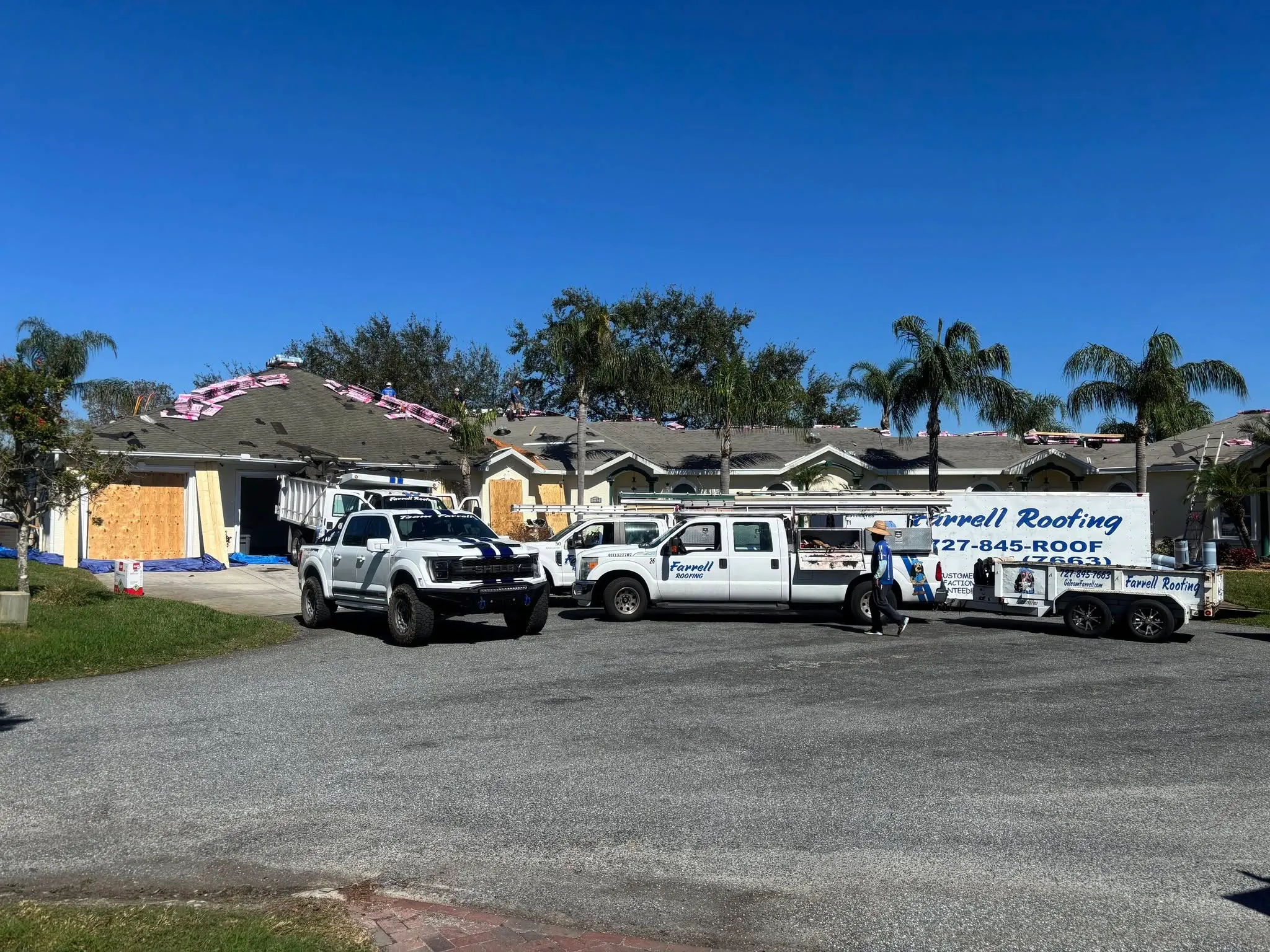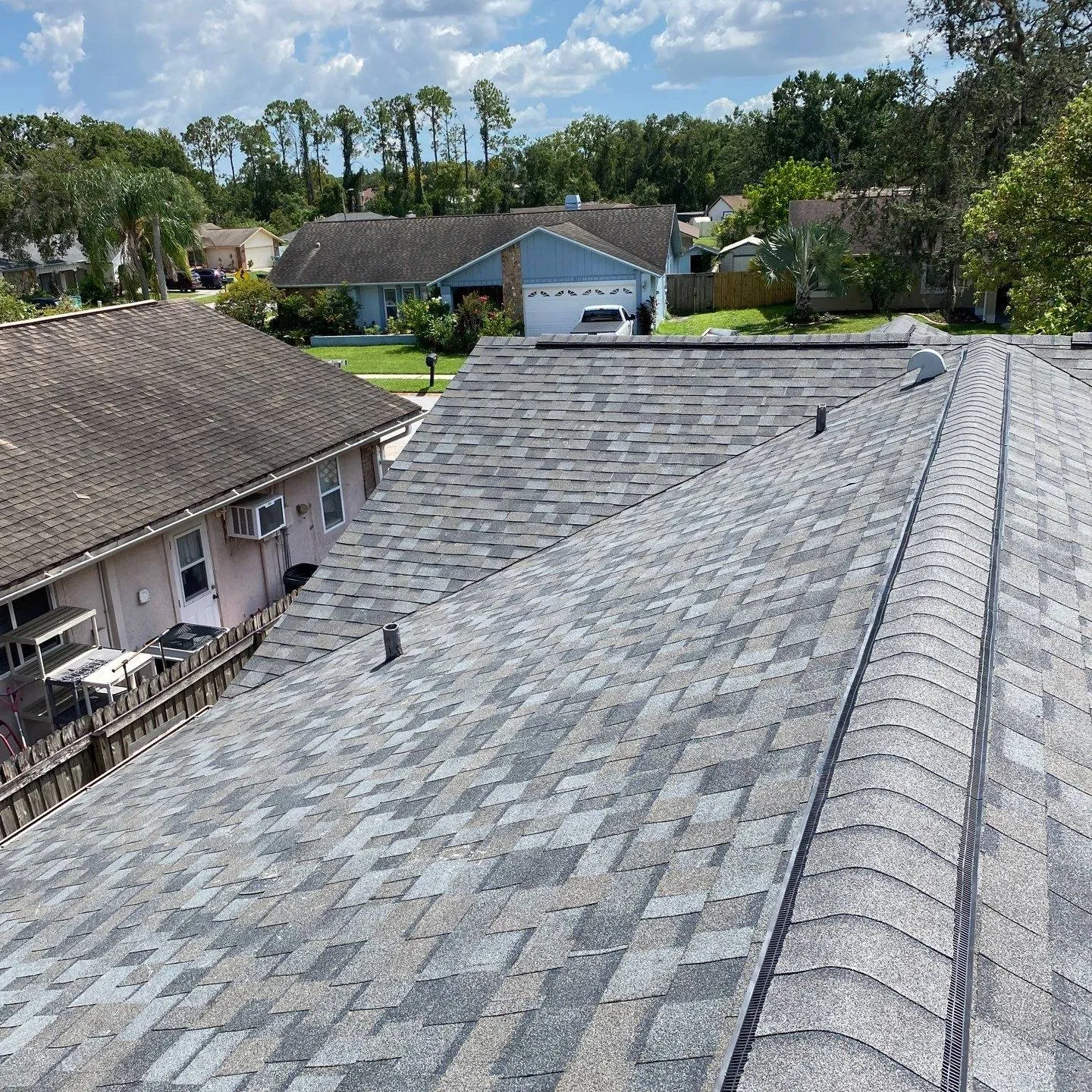

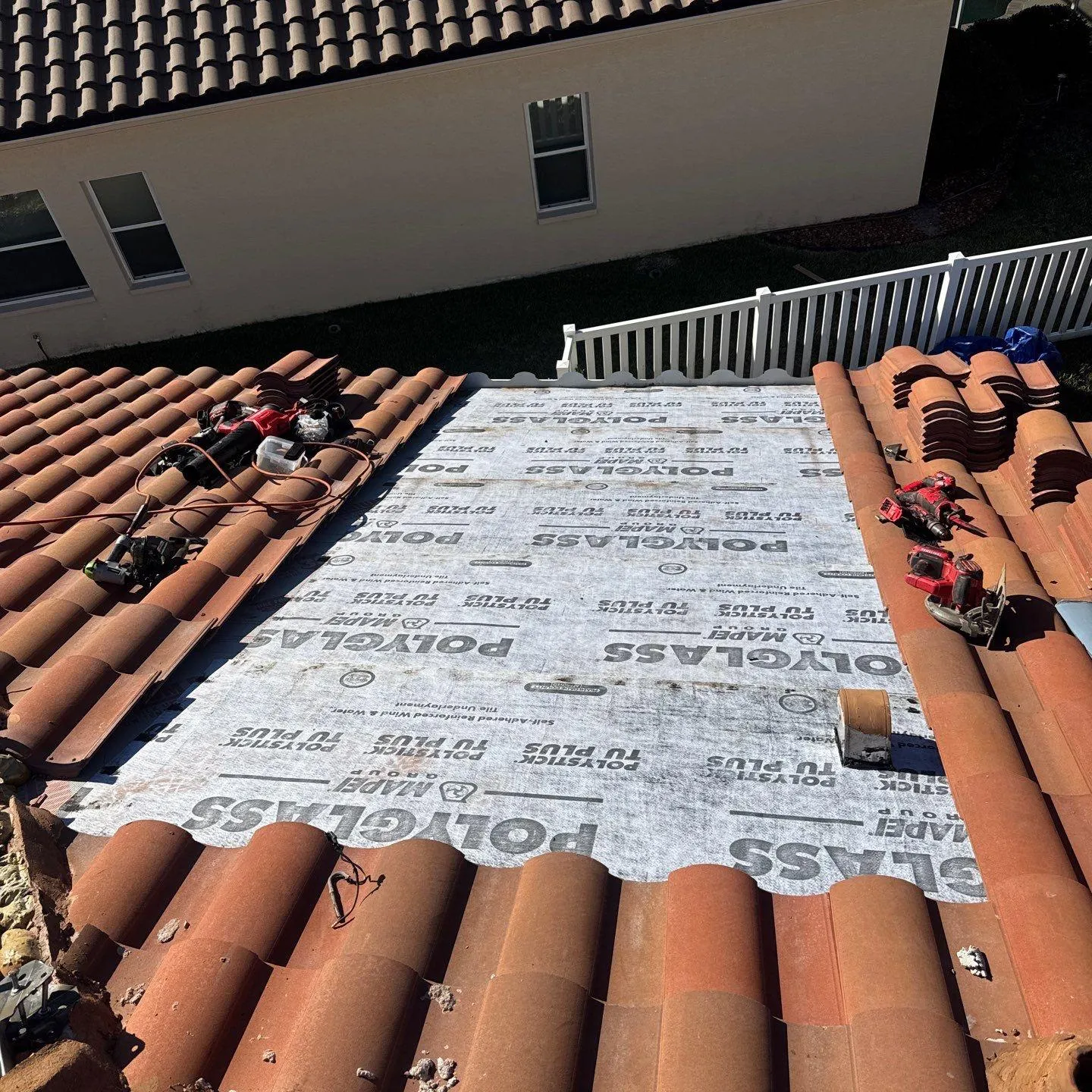
Two neighbors off Moon Lake Road took nearly identical damage in the same storm. One had a folder: photos from before the season, photos from the morning after, receipts for the tarp and the fans, a written scope from a licensed contractor, and a log of every phone call. Her claim settled in about five weeks. The other had a handful of blurry pictures and a verbal estimate. His took seven months.
Nothing about the roofs was different. The paperwork was different. Almost everything that decides how the next six months go for you gets done in the first seventy two hours after the wind stops, and most of it is work you do yourself with a phone camera.
The First Seventy Two Hours, In Order
Walk the property carefully. Look for downed power lines, which you should assume are live, plus standing water and debris. Do not climb anything. Post storm roofs are the most dangerous surfaces there are, because decking can be soft exactly where it looks solid.
Photograph everything before you clean up anything. This is the step people get wrong, and it is the most expensive mistake in the whole process.
Open the claim. Call the carrier claim line the same day if you can. Write down the claim number, the date and time, and who you spoke to.
Stop the water and dry the house out. Get a real tarp over anything open, run fans and a dehumidifier if you have power, and keep every receipt. Mold gets going in wet drywall and carpet in roughly twenty four to forty eight hours in Florida humidity, and secondary mold damage is one of the most argued about items on a claim.
Photograph first. Clean up second.
The shingles in your yard, the granules in the driveway, the limb on the roof, the torn screen from the pool cage. That debris is the evidence connecting the storm to the damage on your roof. Once it is bagged and at the curb, it is gone, and an adjuster arriving two weeks later sees a tidy yard and a damaged roof with nothing linking them.
The one exception is safety and preventing further damage. You are always allowed to stop water coming into the house. Take a quick photo first, then do what you need to do.
Know the Clock You Are On
Florida law changed considerably in December 2022 and the windows got much shorter. Under Florida Statute 627.70132, notice of a new or reopened claim for hurricane or windstorm damage generally must be given to your insurer within one year of the date of loss, and a supplemental claim generally within eighteen months. Those periods used to be considerably longer, and plenty of homeowners are still working from the old numbers.
Report it within days, not months, even while you are still figuring out how bad it is. You can supplement a claim you opened. You cannot open one after the deadline has run.
Read Your Deductible Before You Decide Anything
Florida homeowners policies carry a separate hurricane deductible, and it is usually a percentage of dwelling coverage rather than a flat amount. On a home insured for four hundred thousand dollars, a two percent hurricane deductible is eight thousand dollars out of pocket before the carrier pays anything. If your total damage is below that number, there is no claim worth filing, and knowing this early tells you whether you are running an insurance process or simply hiring a roofer.
Tarp Now or Repair Now?
A proper emergency tarp is a temporary roof. It is screwed down through wooden battens, laps three to four feet past the damage, runs over the ridge, and holds for thirty to ninety days. A tarp held down with bricks and bungee cords is not a repair, it is a sail waiting for the next afternoon thunderstorm.
If a permanent repair can happen within about a week and the weather looks settled, skipping the tarp and going straight to the fix is often the better call. When Pasco County is booked three weeks deep after a major storm, the tarp is worth every dollar.
When Not to Spend Money With Us
You never need to pay anyone for a damage assessment. Reputable roofers in Pasco County, us included, inspect for free after a storm. If someone wants a few hundred dollars up front to document your damage, that is a red flag rather than a service.
If your damage is clearly below your hurricane deductible, skip the claim and just get the repair done. Filing gains you nothing from the carrier and puts a claim on your record that can affect renewal. And if your damage is a few missing shingles with no water coming in, you very likely do not need a tarp at all.
None of this is legal or insurance advice, and your policy language governs your claim. Read your declarations page and call your carrier, or the Florida Department of Financial Services Insurance Consumer Helpline at 1-877-693-5236, with specific questions. What we can tell you is what we see every season: the homeowners with organized files get paid faster and argue less.
For a free storm inspection, a full photo set, and a written scope you can hand straight to your adjuster, call Farrell Roofing at (727) 845-7663. Florida license CCC1327707, on Commerce Ave in Port Richey since 2003. We handle storm damage repair and full roof replacement across Port Richey, New Port Richey, Hudson, Holiday, Trinity, Tarpon Springs, Palm Harbor, Odessa, Land O' Lakes, and Spring Hill.